
Leather interiors: surface and structure
Understand upholstery surfaces, seams, padding and supporting layers before discussing furniture or vehicle-interior restoration.
Colour wear on a seat, an open seam and collapsed support can look like one general upholstery problem, but they involve different layers. The cover, padding, support deck and frame each have a role. Describing the affected area and how it behaves helps separate cosmetic work from a structural concern.
Furniture and vehicle interiors can include leather, coated materials, stitching, piping and hidden fixings. The armchair illustration shows one representative build. It does not describe the construction or safety systems of a vehicle seat, nor confirm that a large item can be sent or repaired in place.
Materials you may encounter
- Upholstery leather
- Coated and mixed surfaces
- Foam and supporting textiles
- Piping, thread and trim
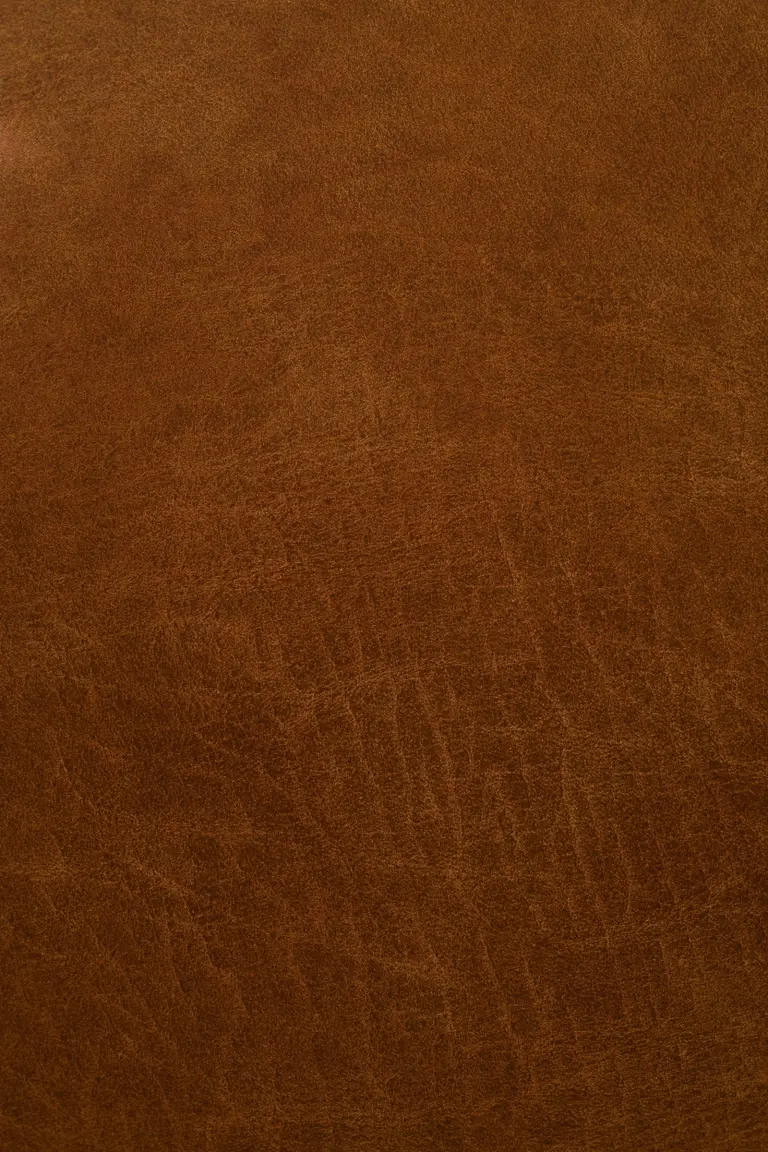
Meet the parts.
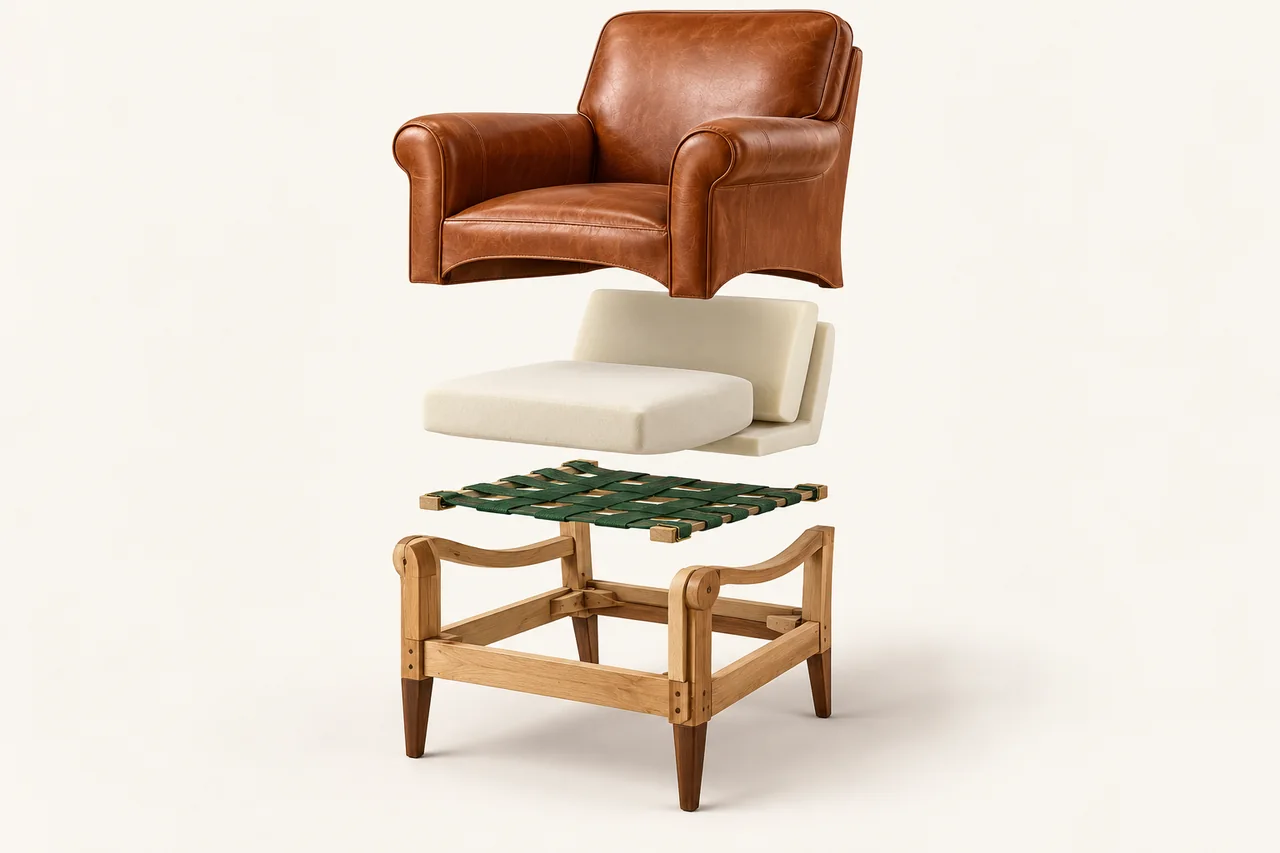
Open a part to understand its role and what assessment needs to establish.
Upholstery cover
The visible leather or covering material wraps the shaped panels. Surface finish wear, a deep crack and a tear through the material require different assessments.
Foam & padding
The shaped filling supports the cover and affects comfort. Flattened padding can change the appearance even when the outer material is sound.
Support deck & webbing
Supporting layers sit beneath cushions and help distribute the load. Sagging may come from these layers rather than the leather itself.
Frame & fixings
The underlying structure carries the seat, arms and back. A loose or damaged frame is a different concern from a surface restoration.
Explore the work.
These guides explain selected repairs and care options. Suitability, scope and price are agreed for your item after assessment.
Upholstery stitching repair
Separate an open upholstery seam from a tear through the cover, and understand access and material condition before restitching.
Read the service guideUpholstery colour restoration
Understand colour wear, material identification and the limits of refinishing leather upholstery.
Read the service guide
Common concerns
- Worn bolsters or high-contact areas
- Faded or patchy colour
- Open seams and damaged piping
- Cracks, tears or loss of support
Prepare a useful brief
- Show the whole item as well as the damaged panel.
- Mention previous coatings, repairs or cleaning products.
- Discuss access and transport before sending upholstery or vehicle components.
A finish cannot repair the support beneath it
Cleaning and colour restoration address the surface. Seam repair addresses a join. Padding and frame work concern the structure underneath. These requests should be described separately so that one visible symptom does not lead to an incomplete brief.
Colour matching depends on the actual material and surrounding wear, not just a screen photograph. Structural or safety-related concerns, especially around vehicle seats and integrated equipment, need an appropriate specialist assessment. The studio confirms the scope it can undertake before any work is agreed.
Questions to bring to an assessment
Is every cracked surface repairable leather?
No. Some surfaces are coated or composite materials, and extensive breakdown can affect repair suitability. A close photograph is useful, but material identification and surrounding condition still need assessment.
Can colour restoration fix a split seam?
No. Colour work and a failed join are different tasks. Ask about the seam first, then discuss whether cleaning or colour work would be useful alongside it.
Should I remove a vehicle seat before contacting the studio?
Contact the studio before arranging removal or transport. Components can involve integrated electrical or safety systems; the appropriate access method and specialist responsibilities need to be agreed.
Keep exploring
Bring the question to the studio.
You do not need to name the repair. Show us the whole item and the area that concerns you. We discuss the suitable work, price and timing before work begins.