
Sports equipment: identify the component
Explore uppers, linings, closures and supporting layers in sports footwear and equipment, with clear limits around performance and safety claims.
Technical footwear and sports equipment can combine leather, textiles, padding, membranes, stiff supporting layers and specialist closures. A loose seam or damaged fastening needs to be distinguished from a failure affecting a protective or performance-critical component.
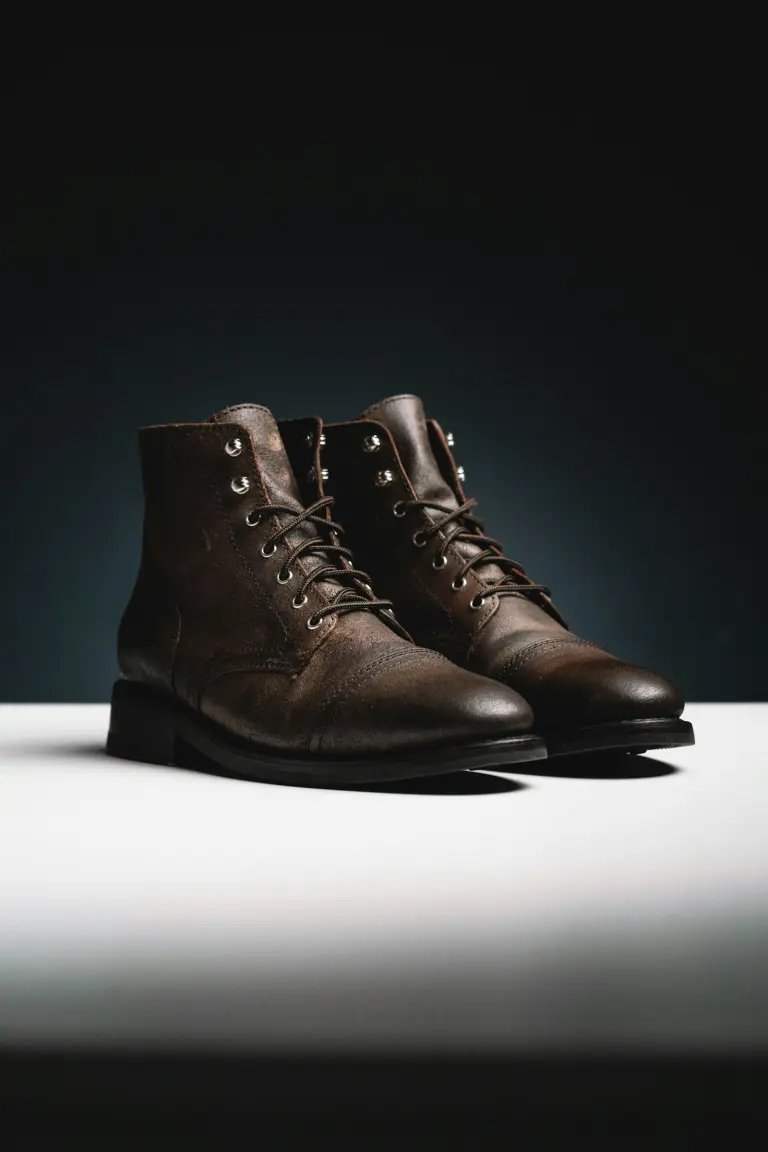
The cycling-shoe construction study is a representative example; the reference photograph illustrates robust leather footwear. Hiking boots, dance shoes, cycling equipment and other sports items should not be treated as one universal construction. Tell the studio what the equipment is used for so it can assess the relevant part and the limits of any proposed work.
Materials you may encounter
- Leather and technical textiles
- Foam and lining fabrics
- Rigid and flexible sole materials
- Closures and specialist fittings
Meet the parts.
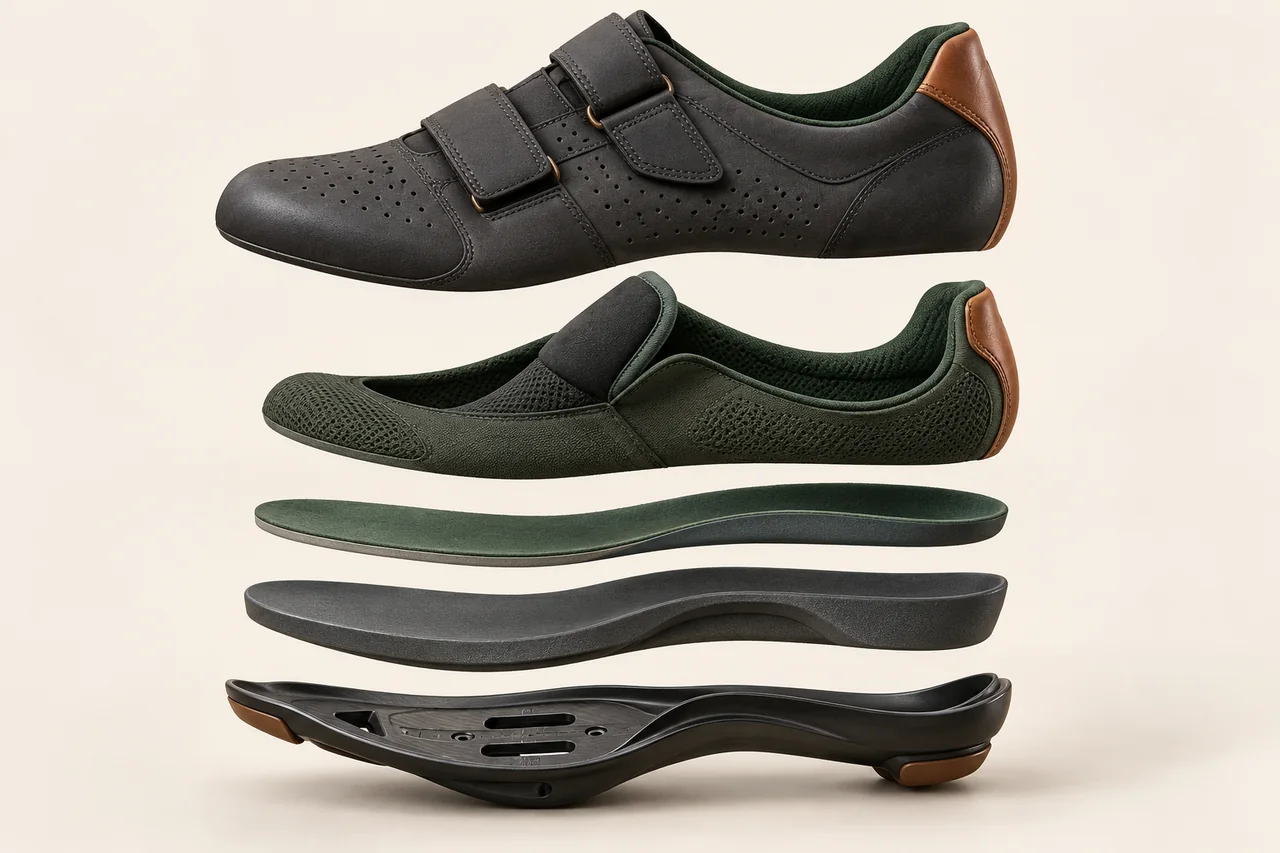
Open a part to understand its role and what assessment needs to establish.
Upper & closures
The upper and its fastenings hold the item in position. Straps, buckles, zips and material panels can fail in different ways.
Lining & padding
Contact layers affect comfort and fit. Local wear and a damaged protective component require different assessments.
Footbed & support
An internal footbed and a structural layer are different components. The part that can be replaced depends on the construction.
Outsole & mounting area
The lower structure can include grip, a rigid plate or a mounting zone. Damage here must be assessed in the context of the activity.
Explore the work.
These guides explain selected repairs and care options. Suitability, scope and price are agreed for your item after assessment.
Common concerns
- Open seams or worn panels
- Failed straps, zips or buckles
- Lining and padding wear
- Detachment or suspected structural damage
Prepare a useful brief
- Name the sport, equipment type and normal use.
- Show the whole item and the damaged assembly.
- Mention protective functions, technical ratings and any deadline before agreeing work.
Repair suitability depends on the intended use
A neat-looking repair is not evidence that protective performance or a technical rating has been restored. The studio needs to understand the function of the damaged part and may refer work outside its scope to an appropriate specialist.
Cleaning can accompany a repair when the materials permit it. Discuss membranes, coatings, bonding and previous treatments before choosing a process. Group care with the same item, while keeping the structural concern clear and separate.
Questions to bring to an assessment
Can a repair restore a protective rating?
Do not assume so. A rating or certification is a separate matter from repairing visible material damage. Ask the relevant manufacturer or appropriate specialist about performance and continued use.
Can a loose sports-shoe sole simply be glued?
The original bond, materials and condition beneath the separation need assessment. A simple adhesive repair is not automatically suitable for every activity or construction.
Can I request cleaning without a repair?
Yes. Identify the material and equipment type, and describe stains, coatings or membranes. The studio will confirm whether a suitable cleaning or care process is available.
Keep exploring
Bring the question to the studio.
You do not need to name the repair. Show us the whole item and the area that concerns you. We discuss the suitable work, price and timing before work begins.