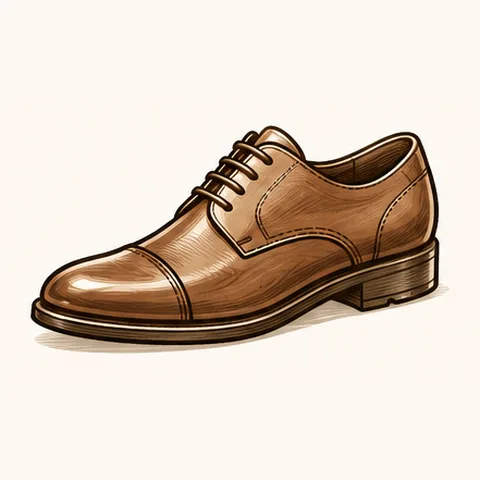
 Men's Shoes
 Women's Shoes
 Boots
Boots Trainers / Sneakers
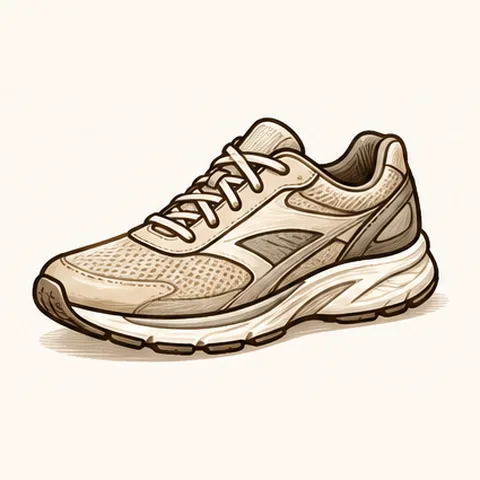 Sports Shoes
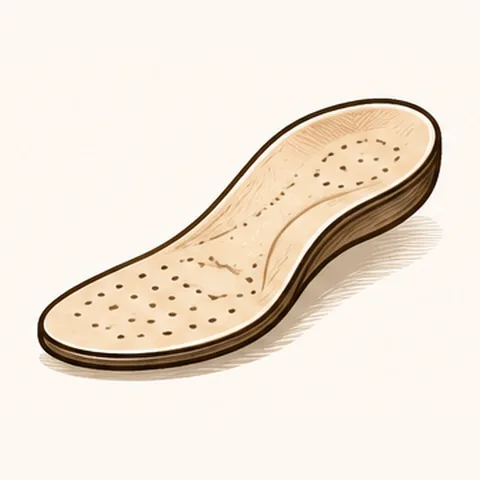 Orthopaedic / Comfort
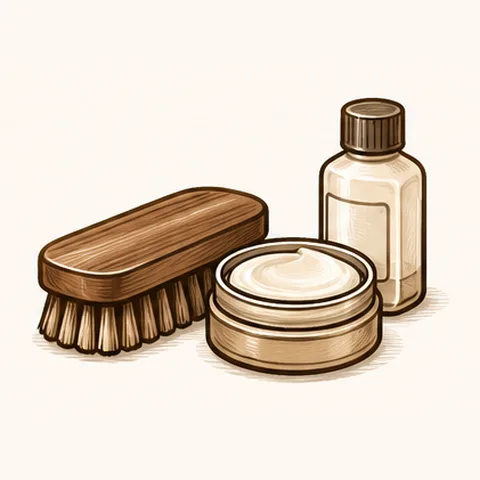 Shoe Cleaning & Care
Men's formal and casual leather shoes are where classic shoemaking terms matter most - the difference between an Oxford and a Derby is a genuine construction detail, not just a style label, and it affects what we can and can't do when we resole or rework a pair. Most of what crosses our bench here is resoling, heel replacement, edge and welt repair, stretching for fit, and full leather recolouring, alongside the routine conditioning that keeps a good leather-soled shoe going for many years rather than a couple of winters. Whatever the last shape, we treat the sole and welt construction as the starting point for any quote, since it decides whether a shoe can be properly resoled or only patched.
Plain-Toe Oxford
Men's Shoes
An Oxford is defined by its closed lacing - the two quarters are stitched underneath the vamp so the eyelet facings meet edge to edge when done up, giving that sleek, formal profile. Whether it's plain-toe, cap-toe, wingtip-brogued, or the seamless Wholecut version, most Oxfords we see are Goodyear-welted, meaning they can usually be resoled several times over their life rather than just patched. Saddle and Adelaide Oxfords add a shaped overlay piece across the vamp, which is one more seam we check for splitting before any full recolour.
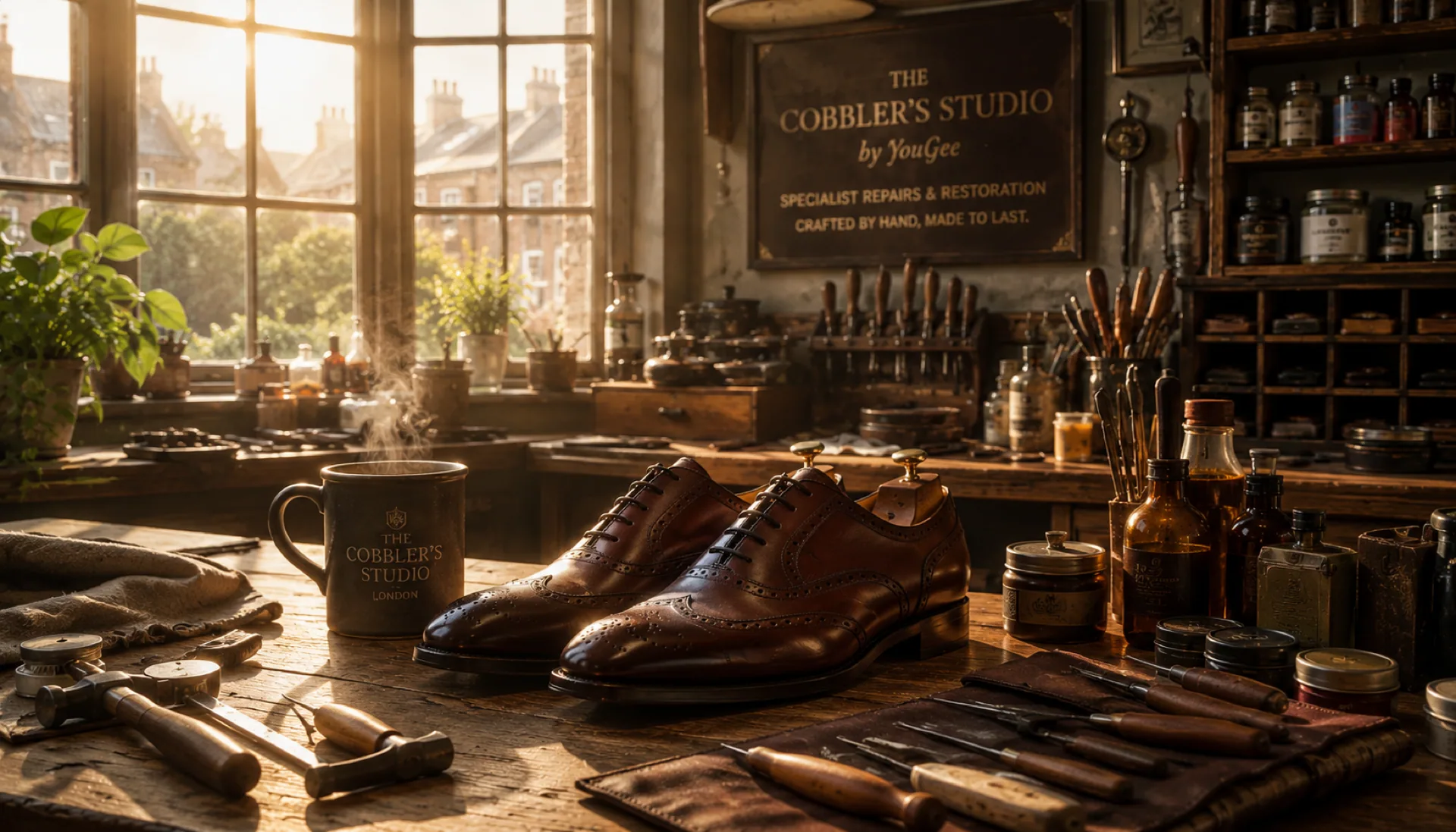
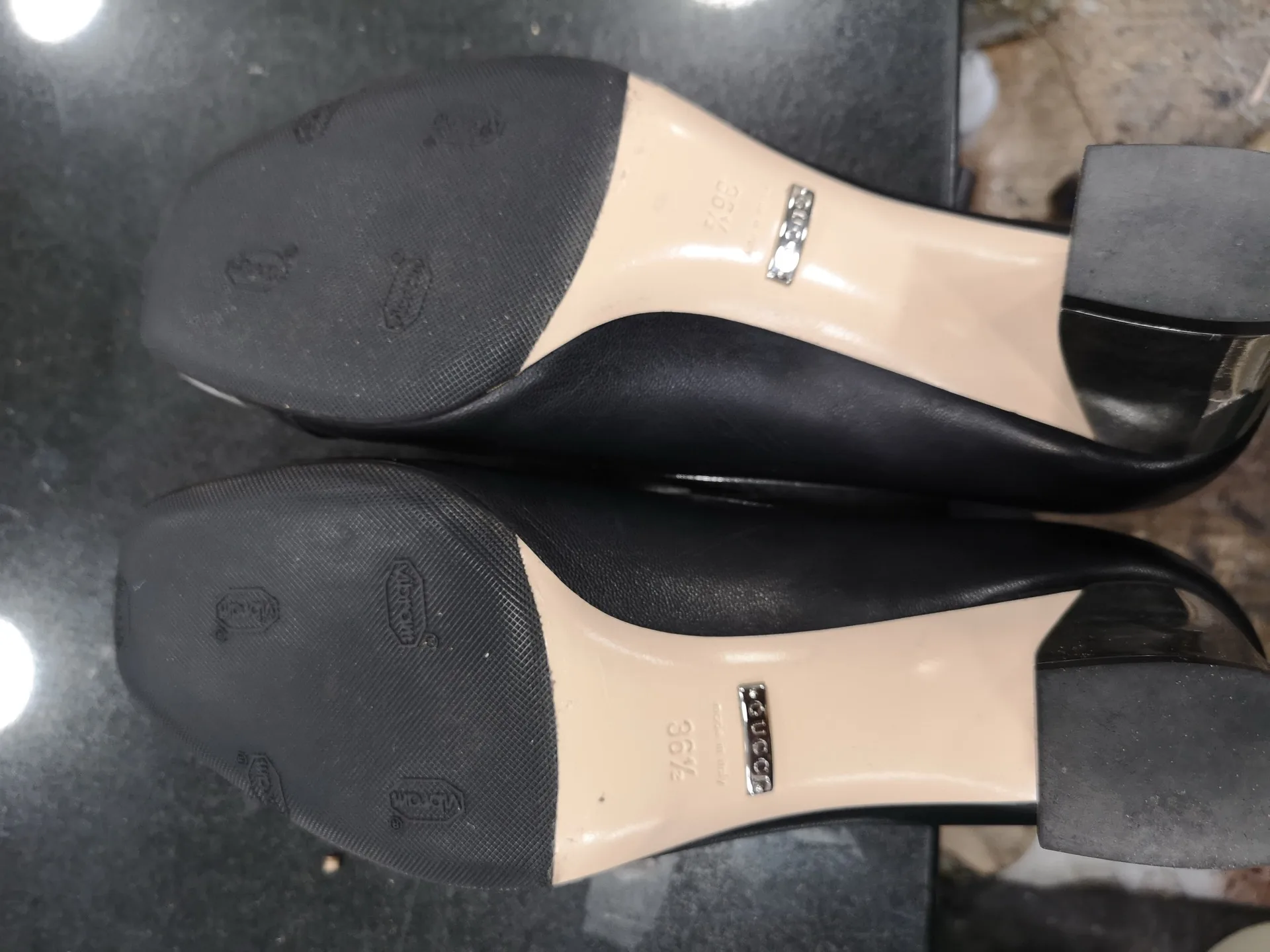
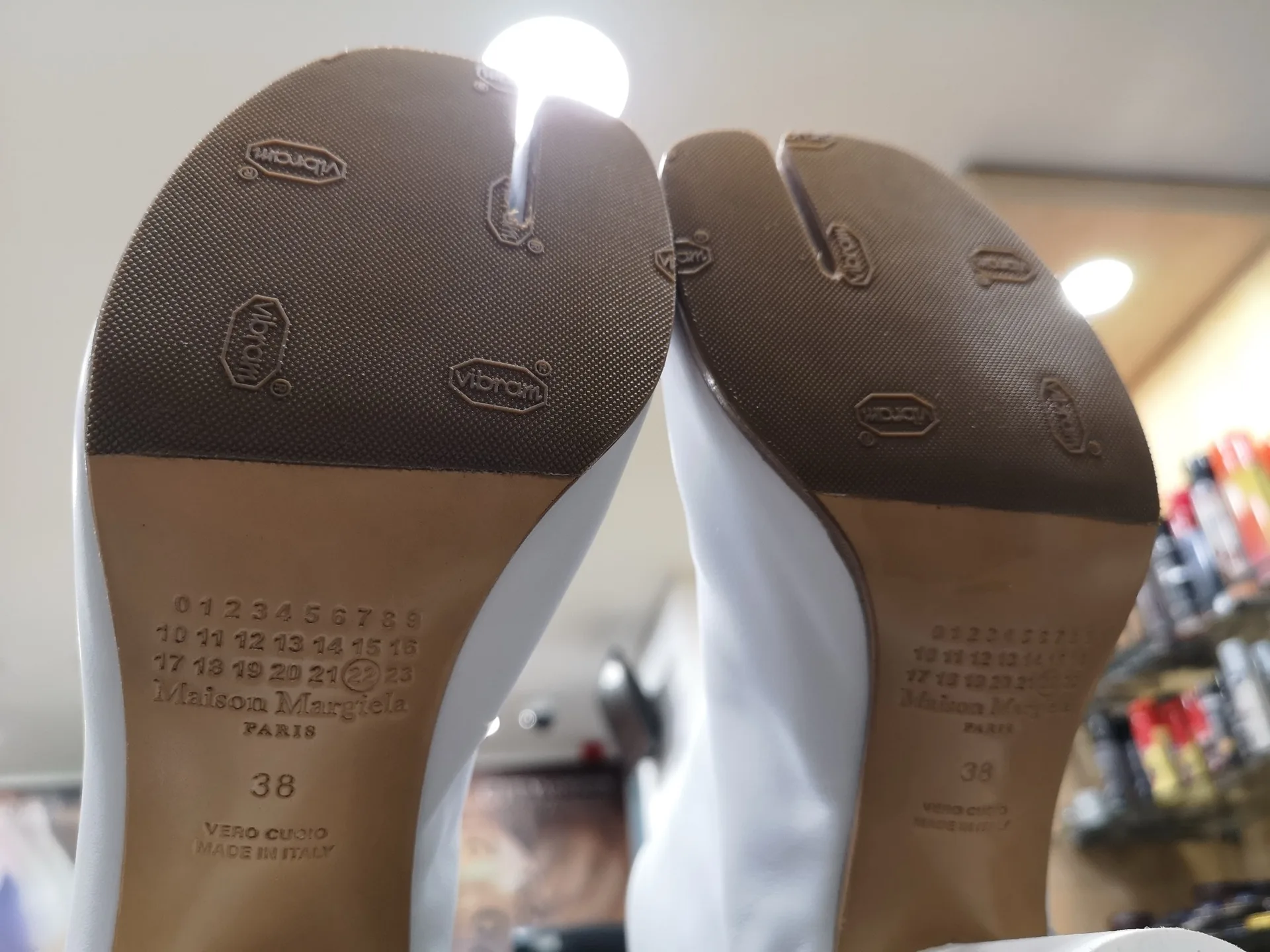
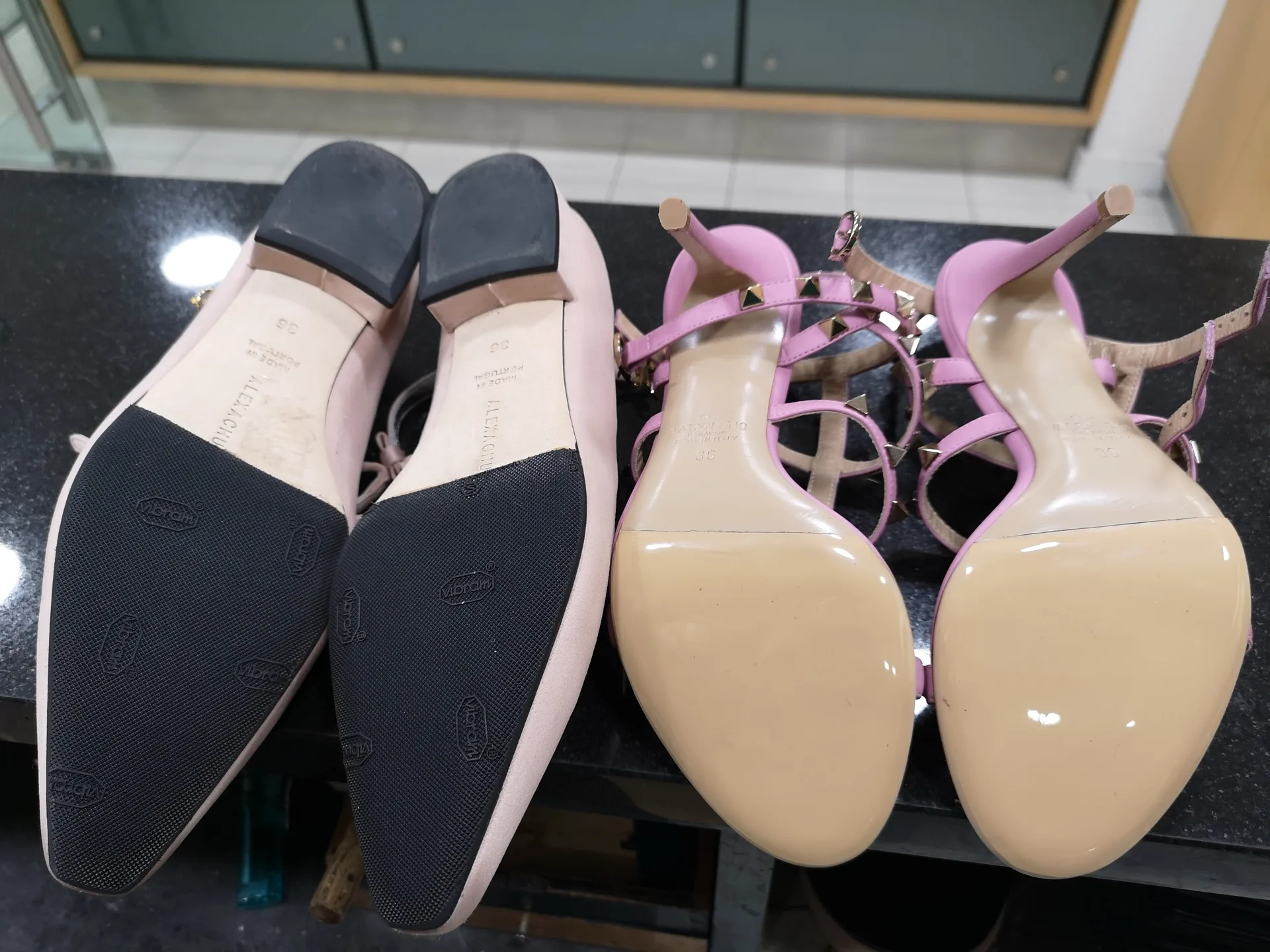
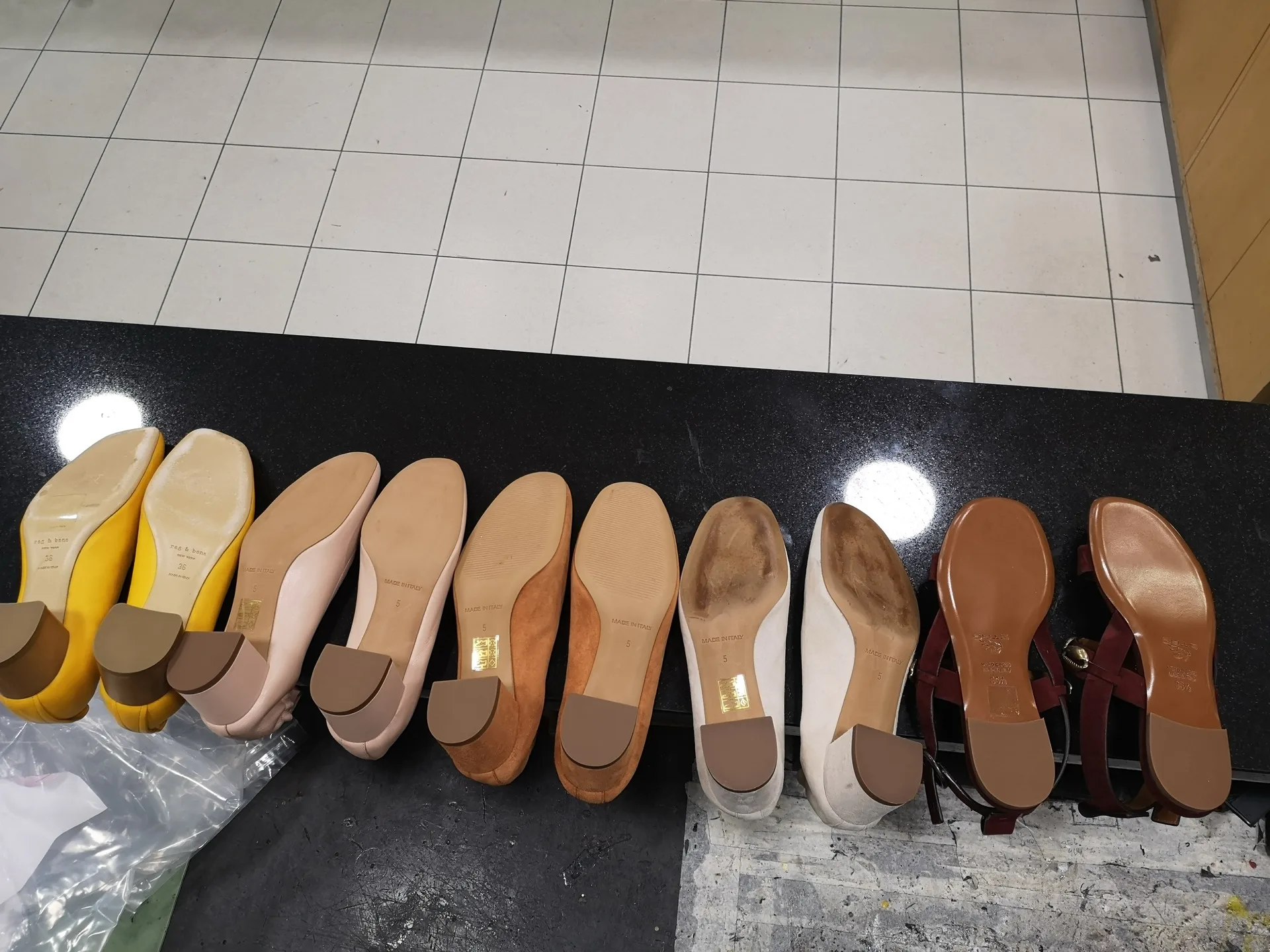
Leather Sole Replacement
From £110 depending on item and complexity
We replace worn leather soles using traditional techniques and premium materials for durability and comfort.
Real before/after pairs for this exact model are on their way - for now, here's recent work from the studio on similar pieces.
Between professional repairs, a few habits keep men's shoes in good condition:
- Use cedar shoe trees as soon as you take a pair off, while the leather is still slightly warm and damp from the day - cedar draws out moisture, helps absorb odour, and holds the shoe's shape so creases don't set permanently across the toe box.
- Never wear the same pair on consecutive days. Leather uppers and linings need 24-48 hours to dry out fully and recover their shape after a day's wear, so rotating two or three pairs roughly doubles the working life of each one.
- Build a proper polishing routine rather than reaching for polish only when a shoe looks tired: brush off surface dust first, work in a small amount of cream polish to feed and recolour the leather, then finish with a wax polish buffed up for shine - cream conditions, wax protects and shines.
- After walking on wet or salted, gritted winter pavements, wipe down the uppers and welts and let the shoes dry slowly at room temperature, away from radiators or direct heat - salt draws moisture out of leather and fast drying cracks it, and a proper salt and stain remover will lift white tide-marks before they set in.
- Store shoes upright on an open rack or shelf with good airflow, not piled in a cupboard or left by a damp front door - trapped moisture is what actually breeds mould and rots stitching, more than wear itself ever does.
- Keep an eye on heels and soles as well as the uppers. A worn heel tip changes your whole gait and puts extra strain on the rest of the shoe, and it is one of the cheapest, fastest jobs we do - there's no good reason to let it wear right down to the heel block before having it replaced.
How long does resoling or a full repair usually take?
Most repairs, including a full leather sole replacement, are back with you in 5-7 working days from when we receive the shoe or you approve the quote, whether you're dropping in to the Banstead studio or sending them by insured Royal Mail post. Simpler jobs such as cleaning, conditioning or protective treatments are usually quicker, and small jobs like heel tip replacement are often turned around the same day when you bring the shoes in.
Can you match the original leather colour exactly?
We get very close on solid colours - black, dark brown, tan - by building leather dye up in thin coats. Leather is a natural material though, and every pair ages and fades slightly differently, so on patinated, hand-antiqued or unusual shades we'll always show you a sample or photo to approve before we commit to the whole shoe.
Do you repair shoes bought abroad, or brands you might not recognise?
Yes. Construction - Goodyear-welted, Blake-stitched, cemented - matters far more to us than the label on the insole. Send us clear WhatsApp photos of the damage and the sole and welt area and we'll tell you honestly what's possible and quote accordingly, wherever the shoes were bought.
What's the difference between Goodyear-welted and cemented shoes, and does it change what you can do?
A Goodyear welt is a strip of leather stitched around the upper and insole, with the sole then stitched to that welt - it can be unpicked and resoled repeatedly, often for the working life of the shoe. Cemented (glued) construction has the sole bonded directly to the upper with no welt to unpick, so we're generally limited to a sole replacement or overlay rather than a traditional resole. We'll always tell you which construction you have before quoting.
Do you offer a while-you-wait service?
For quick jobs - a heel tip, a loose stitch, a same-day polish - drop in to the studio and we'll often see to it there and then. Anything involving new soles, dyeing or orthopaedic work needs proper workshop time, so those go through the normal 5-7 working day turnaround whether you're local or posting to us.
Do I need to book an appointment, or can I just send photos?
No booking needed. Send clear photos of the damage over WhatsApp, we'll come back with an honest assessment and a quote, and you either bring the item in or post it to us by insured Royal Mail once you're happy to go ahead.