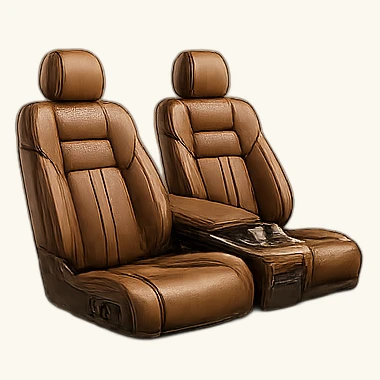
 Car Interiors
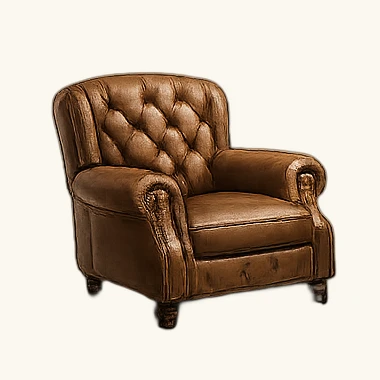 Furniture Upholstery
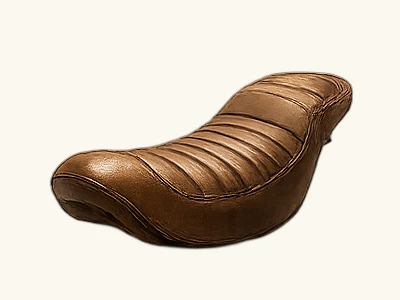 Motorcycle Seats
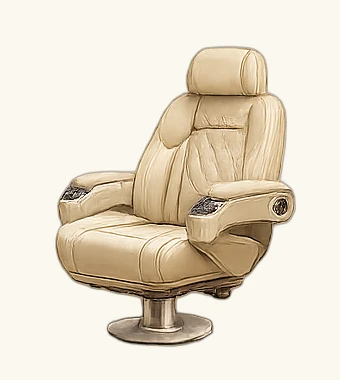 Marine & Boat Interiors
 Aircraft Interiors
 Leather Accessories
 Leather Materials
 Cleaning & Care
Boot Trim
Car Interiors
Boot trim leather takes abrasion from luggage being loaded and unloaded, and grit tracked in from footwells and cargo, but very little UV exposure since it's rarely in direct sun. Scuffing and scratching from hard-edged items dominate over sun damage or ageing, and repairs are usually about restoring the surface finish rather than addressing dried-out leather.
Leather Sole Replacement
From £110 depending on item and complexity
We replace worn leather soles using traditional techniques and premium materials for durability and comfort.
Every repair is different, so the best way to see what we can do for yours is to send us a photo - we'll reply with an honest assessment and, where we can, examples of similar work.
Between professional repairs, a few habits keep car interiors in good condition:
- Direct sun is the single biggest cause of degraded interior leather - UV breaks down the surface finish and dries out the tanning oils, which is why a black dashboard or seat bolster left under a windscreen fades and cracks years before a shaded rear bench does. Use a windscreen shade when parked, and where possible avoid leaving a vehicle or boat in direct sun for long periods.
- Never clean automotive, marine or furniture leather with household glass cleaner, bleach, or anything ammonia- or alcohol-based - these strip the factory finish (the thin pigmented topcoat that gives the leather its colour and abrasion resistance) and leave it porous, dry and prone to cracking. Use a pH-neutral leather cleaner made for the material you actually have.
- Condition seats, door cards and dashboard leather roughly every three to four months in normal use, and more often on surfaces that get heavy sun or heater exposure - conditioning replaces the oils that UV and heat drive out, it doesn't just add shine.
- Treat any spill - coffee, ink, denim dye transfer - within minutes rather than hours. Blot rather than rub, and don't let a spill dry into the surface, because pigmented dye especially becomes far harder to lift once it has set into the finish.
- Marine leather and vinyl exposed to salt air need fresh-water rinsing and reproofing far more often than an equivalent car interior - salt crystals left in the grain or stitching are abrasive and hygroscopic, drawing in moisture that promotes mould in the padding underneath.
- Vacuum seams, bolster piping and footwell edges regularly. Grit trapped against leather acts like sandpaper every time you sit down or shift position, and this abrasive wear is exactly what causes bolster edges and seat pleats to wear through long before the rest of the seat shows any damage.
Can you match the exact colour of my car's factory leather?
In most cases, yes. Car leather is pigmented to a specific factory formulation, and we mix and colour-match against your actual seat or panel rather than a generic swatch, then check the match in daylight before committing to the full repair. The one thing to flag is that leather already in the car will have faded slightly with age and UV exposure, so we match to the leather as it is now, not to how it looked when new - which is what actually blends in invisibly.
Do you repair cracked or split leather seats without full reupholstery?
Often, yes. Surface cracking and small splits can usually be filled, reinforced from behind and recoloured without removing the leather from the seat at all. Full reupholstery only becomes necessary where the leather has failed across a large area, where the foam underneath has also broken down, or where the crack runs through a structural seam - we'll tell you honestly at assessment which category your seat falls into rather than defaulting to the bigger job.
Can you fix cigarette burns or scratches on a steering wheel?
Yes. Small burns and scratches are usually repaired by filling and recolouring the affected area, blending it into the surrounding leather rather than replacing the whole wrap. Where the damage is deeper or wider, or the leather has thinned all round from years of grip wear, a full re-wrap of the wheel is the better option, and we'll advise which applies once we've seen it.
Do you come to me for a car, or does it need to come to the studio?
It depends what's being repaired. Fitted interior work - seats, dashboards, door cards, centre consoles - is done on-site at your vehicle or by drop-off/collection, since these components are built into the car. Removable items - gear knobs, gaiters, steering wheel wraps, seat covers - travel well by post, so you can send just the part rather than the car.
Can you re-dye faded sofa leather at home, or does it need collection?
Full-size furniture - sofas, armchairs, recliners - is almost always recoloured on-site in your home, since moving a large upholstered piece is more disruptive and riskier to the frame than bringing the work to it. Smaller leather furniture and standalone cushions can be collected or dropped off at the studio if that's more convenient.
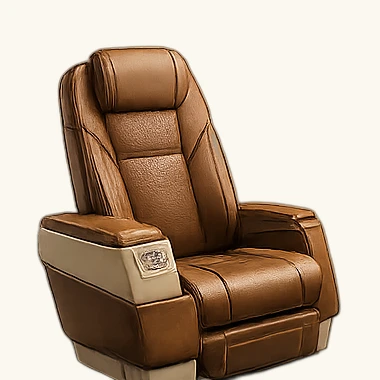
Does repairing or re-covering aircraft leather affect its fire-safety certification?
It shouldn't, provided the replacement material and thread meet the same aviation flammability and smoke-toxicity specification as the original - confirming that specification is the first thing we do before starting any aircraft interior work. We can supply documentation of the materials used for your maintenance records where that's needed for airworthiness sign-off; using non-certified material on a certified interior is the one thing we won't do.