Odour removal treats the cause of a persistent smell - usually bacterial, fungal or ingrained sweat and damp - rather than masking it with fragrance, and the right method depends on where the odour is actually trapped: in an insole, a lining, upholstery padding, or wool flocking that a surface clean can't reach.
Shoe Odour Removal
Odour Removal
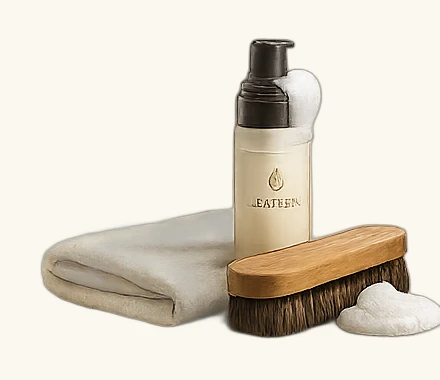
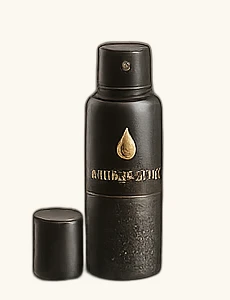
Treats the bacterial odour that builds up inside shoes and boots from sweat, targeting insoles and linings with a deodorising and antibacterial treatment rather than just cleaning the exterior, which does nothing for a smell that's coming from inside the shoe.
Leather Sole Replacement
From £110 depending on item and complexity
We replace worn leather soles using traditional techniques and premium materials for durability and comfort.
Every repair is different, so the best way to see what we can do for yours is to send us a photo - we'll reply with an honest assessment and, where we can, examples of similar work.
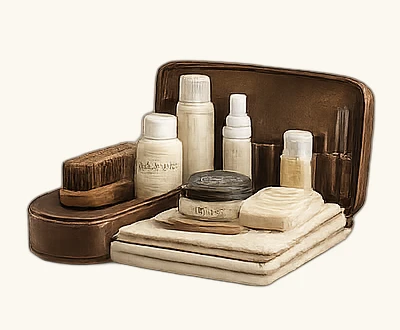
Between professional repairs, a few habits keep odour removal in good condition:
- Let items dry naturally, away from direct heat - never on a radiator.
- Stuff or support items with paper/inserts to hold their shape when not in use.
- Clean off dirt and marks promptly, then condition the leather regularly.
- Rotate use so leather has time to rest and release moisture.
- Apply a protective polish or spray periodically to keep it supple.
How is professional cleaning different from doing it at home?
We match the cleaner, tool and technique to the exact material and finish rather than using one all-purpose product - an aniline leather, a patent finish and an Alcantara panel all need different chemistry, and the wrong one can strip dye, craze a lacquer coating or flatten a nap permanently. We also work over any existing damage (worn stitching, lifting edges, cracked finish) with an eye trained to spot it before it gets worse, and we can go further than a surface wipe-down - into welts, seams, perforations and linings - without risking the leather.
How often should leather be conditioned?
As a general guide, every 3 to 6 months for items in regular use, though this varies with climate and storage. Central heating, radiators and cold cars all dry leather out faster, and items kept in constant use (everyday shoes, a daily bag) need it more often than occasional-wear pieces. Leather that already feels dry, stiff or shows fine surface cracking has usually gone past its conditioning window and needs attention sooner rather than on a fixed schedule.
Can you restore colour that's faded from years of sun exposure?
Usually, yes - Colour Restoration and Full Recolouring can both bring faded leather back close to its original shade, matched from an unfaded reference area (inside a fold, under a strap) wherever one exists. Where UV exposure has gone beyond fading into genuine drying and embrittlement of the leather itself, we'll condition or stabilise it first, because dye and pigment need supple, healthy leather underneath to take and hold properly.
Is deep cleaning safe for delicate or vintage leather?
Not automatically, which is why we assess before we clean rather than running one standard process on everything. Vintage, exotic or already-fragile leather sometimes does better with a gentler, more conservative clean plus Patina Restoration than with the more thorough (and more mechanically active) Deep Cleaning process, which is built for hardier, heavily soiled items. We'll tell you honestly which route suits your piece rather than defaulting to the deepest option available.
Do I need to book a care service separately from a repair?
No - care services can be added to any repair booking or booked on their own. In practice a lot of care work naturally follows a repair (a clean and condition after a resole, a recolour after an edge repair), but plenty of customers also book cleaning, conditioning or protection as standalone maintenance with nothing needing fixed.
Will conditioning or waterproofing change the colour or feel of my leather?
Most conditioners and waterproofers we use are formulated not to noticeably alter a finished leather's colour or feel, but aniline and vegetable-tanned leathers - which have no or minimal surface pigment - can darken slightly on contact with any oil-based product, and that's part of how they're meant to age. We test on a hidden area first whenever there's any doubt, so there are no surprises on a visible surface.